
User Testing Foundations
Learn about research methodologies, and the importance of Usability Testing in this Level 1 masterclass.



About this course
This practical 2-day course designed to equip participants with the core skills and confidence needed to plan, conduct, analyse, and present effective user tests.
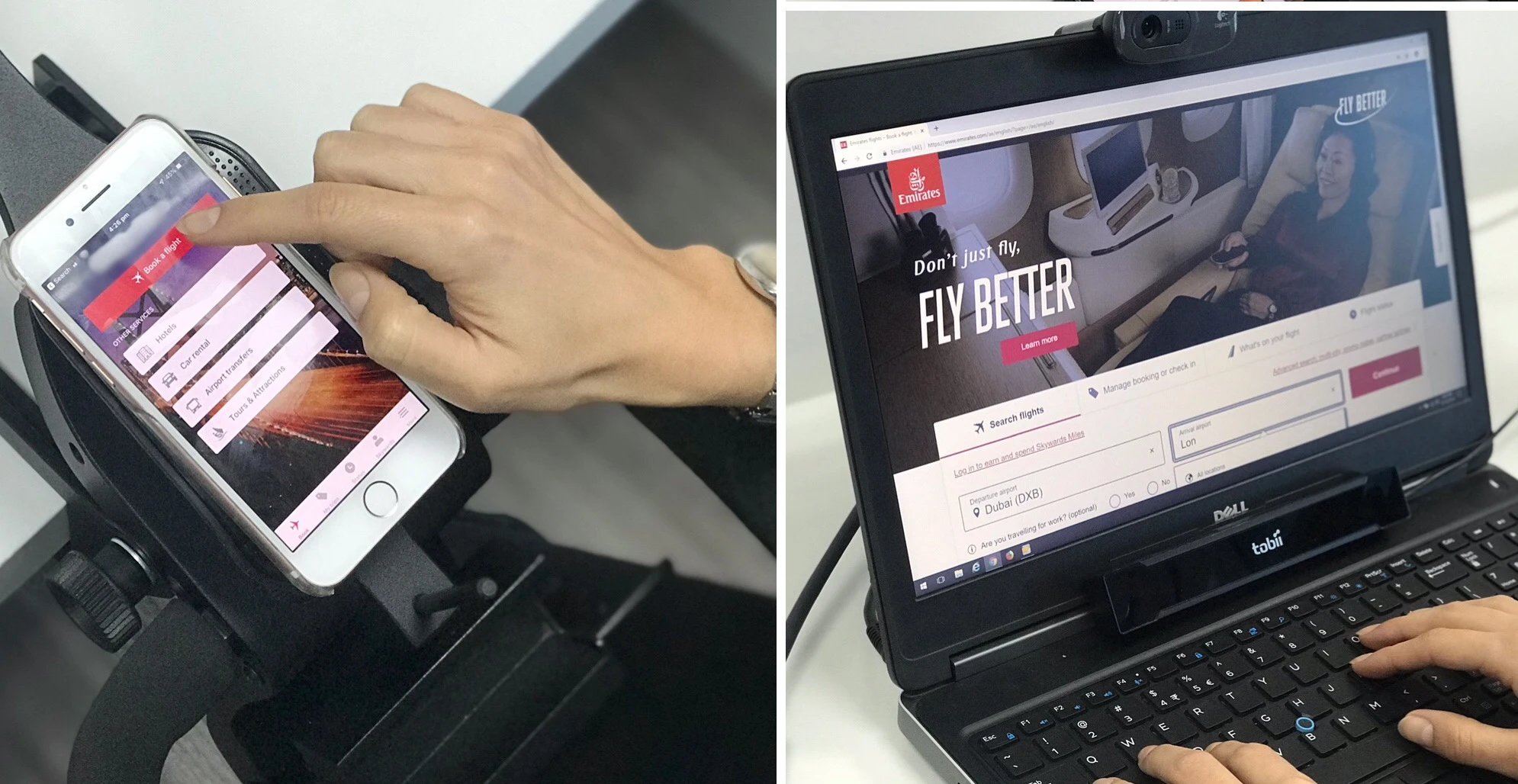
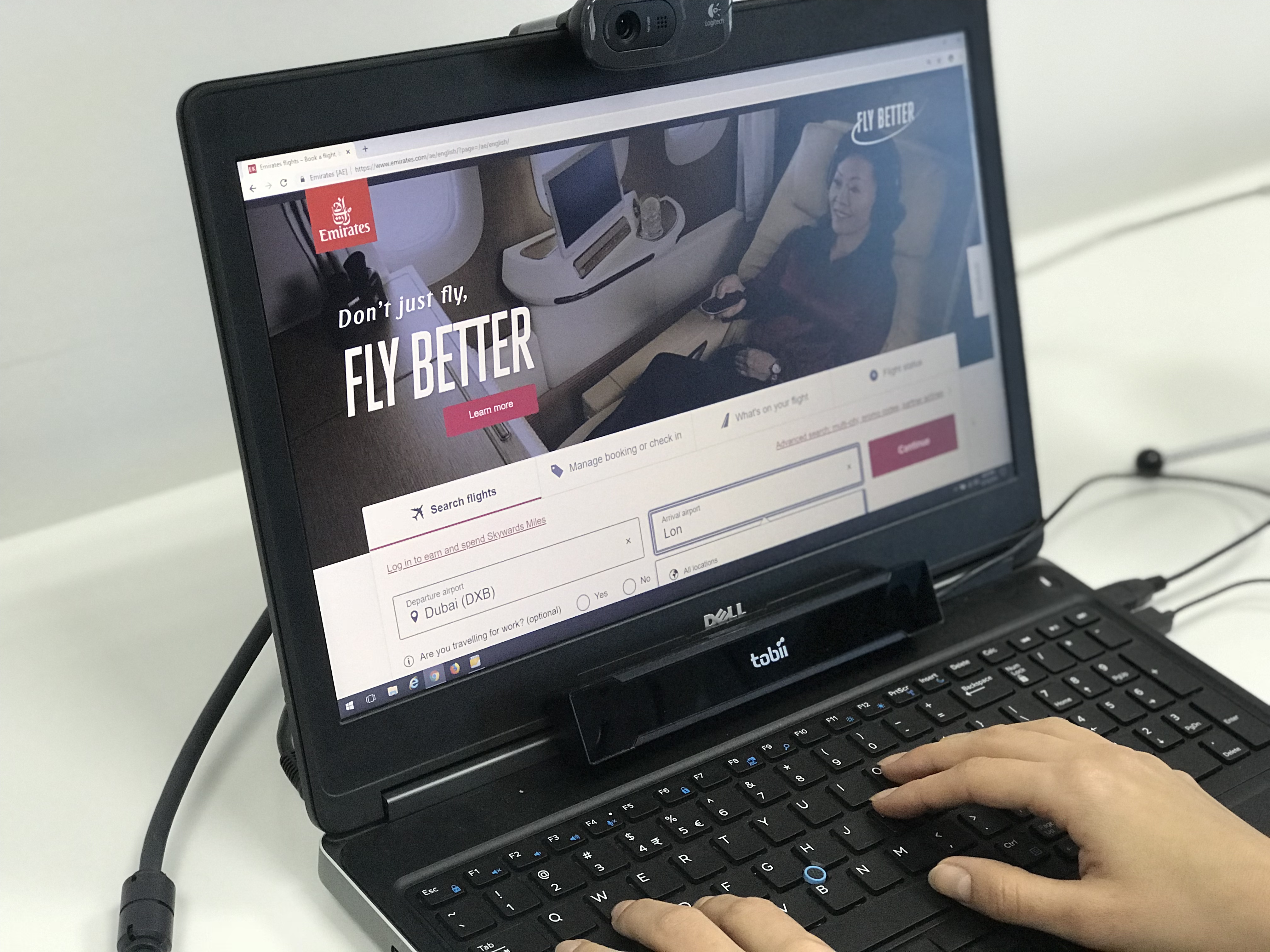
Combining clear theory with real-world examples from the region and guided practice inside our research lab, the course walks through every stage of the testing process - from choosing the right method and recruiting participants to moderating sessions, capturing insights, synthesising data, and communicating findings with impact.
By the end of the course, participants will have a complete, ready-to-use toolkit for running user tests that reduce risk, uncover usability issues early, and help create more intuitive, user-centred products.
- Practical moderation experience in our usability lab
- Real note-taking and analysis practice
- Templates for test plans, scripts, and reporting
- A repeatable, end-to-end user testing process
- The confidence to run user tests internally or with clients
Course modules
Day 1 - Theory
Module 1: What is User Testing?
An introduction to user testing as a core component of user-centred design.
- What user testing is (and isn’t)
- Where testing fits in the design and product lifecycle
- How user testing supports decision-making, reduces assumptions, and leads to better products
Module 2: The Importance of User Testing
Why testing matters - for users and the business.
- The cost of not testing
- Evidence from the industry and region
Module 3: Types of Testing, When, and Why to Use Each Type
A clear breakdown of testing methods and when to apply them.
- Qualitative vs. quantitative testing
- Generative vs. evaluative research
- In-person vs. remote, moderated vs. unmoderated
- How to choose the right method based on goals and stage of the project
Module 4: Planning and Strategy
How to design a strong, bias-free user test.
- Setting objectives and hypotheses
- Defining tasks, scenarios, and success measures
- Writing test scripts and discussion guides
- Planning logistics, timing, resources, and equipment
Module 5: Recruitment
How to recruit the right people for meaningful results.
- Defining user profiles and screening criteria
- Sample sizes and participant selection
- Recruitment channels, incentives, and scheduling
Module 6: Moderation
Mastering the craft of guiding a test session.
- Building rapport and neutral facilitation
- Think-aloud technique and probing strategies
- Avoiding bias, leading questions, and interference
- Handling confusion, silence, and unexpected behaviours
Module 7: Note-Taking
Capturing observations that translate into insights.
- What to record during sessions
- Behavioural vs. attitudinal notes
- Techniques: structured note-taking, timestamping, tagging
- Preparing notes for analysis
Module 8: Stakeholder Management
Ensuring alignment and involvement throughout the process.
- How to set expectations with stakeholders
- Involving observers appropriately
- Communicating testing outcomes and value
Day 2 - Practical & Theory
Recap of Day 1
A short review to consolidate key concepts and prepare for hands-on practice.
Module 9: Moderation (In Our Research Lab)
Live facilitation practice in a real testing environment.
- Running full sessions with users or peers
- Observing behaviours, emotional cues, and task flow breakdowns
- Using lab tools (recording, screen capture, observer areas)
Module 10: Note-Taking
Applying structured note-taking techniques in a live session.
- Real-time observation practice
- Capturing actionable behavioural data
- Translating observations into usable insights
Module 11: Lab Walkthrough
Understanding how a professional UX lab operates.
- Equipment overview (cameras, mics, viewing rooms)
- Setup best practices and troubleshooting
- Working with observers and ensuring smooth session flow
Module 12: Analysis
Turning raw data into meaningful insights.
- Synthesising findings using affinity mapping
- Identifying patterns, usability issues, and opportunities
- Prioritising insights based on impact and severity
- Connecting findings to design recommendations
Module 13: Reporting: Report Structure & Storytelling
Presenting insights that drive action.
- Structuring a clear, impactful findings report
- Using evidence: quotes, behaviours, screenshots
- Framing problems and recommendations
- Creating a narrative that resonates with stakeholders
Module 14: Playback
Presenting insights in a clear, confident format.
- Delivering a compelling playback session
- Handling stakeholder questions and objections
- Ensuring the findings lead to meaningful next steps
Final Q&A Session
Who is this for?
This course is offered as a 2-day introduction course into User Testing and is ideal for:
- UX and product beginners
- Designers, developers, and business teams involved in product planning
- Junior researchers or teams looking to standardise their testing approach
- Anyone seeking to introduce or strengthen user-centric practices within their organisation
No previous research experience is required.
About this course
This practical 2-day course designed to equip participants with the core skills and confidence needed to plan, conduct, analyse, and present effective user tests.
Combining clear theory with real-world examples from the region and guided practice inside our research lab, the course walks through every stage of the testing process - from choosing the right method and recruiting participants to moderating sessions, capturing insights, synthesising data, and communicating findings with impact.
By the end of the course, participants will have a complete, ready-to-use toolkit for running user tests that reduce risk, uncover usability issues early, and help create more intuitive, user-centred products.
- Practical moderation experience in our usability lab
- Real note-taking and analysis practice
- Templates for test plans, scripts, and reporting
- A repeatable, end-to-end user testing process
- The confidence to run user tests internally or with clients
Course modules
Day 1 - Theory
Module 1: What is User Testing?
An introduction to user testing as a core component of user-centred design.
- What user testing is (and isn’t)
- Where testing fits in the design and product lifecycle
- How user testing supports decision-making, reduces assumptions, and leads to better products
Module 2: The Importance of User Testing
Why testing matters - for users and the business.
- The cost of not testing
- Evidence from the industry and region
Module 3: Types of Testing, When, and Why to Use Each Type
A clear breakdown of testing methods and when to apply them.
- Qualitative vs. quantitative testing
- Generative vs. evaluative research
- In-person vs. remote, moderated vs. unmoderated
- How to choose the right method based on goals and stage of the project
Module 4: Planning and Strategy
How to design a strong, bias-free user test.
- Setting objectives and hypotheses
- Defining tasks, scenarios, and success measures
- Writing test scripts and discussion guides
- Planning logistics, timing, resources, and equipment
Module 5: Recruitment
How to recruit the right people for meaningful results.
- Defining user profiles and screening criteria
- Sample sizes and participant selection
- Recruitment channels, incentives, and scheduling
Module 6: Moderation
Mastering the craft of guiding a test session.
- Building rapport and neutral facilitation
- Think-aloud technique and probing strategies
- Avoiding bias, leading questions, and interference
- Handling confusion, silence, and unexpected behaviours
Module 7: Note-Taking
Capturing observations that translate into insights.
- What to record during sessions
- Behavioural vs. attitudinal notes
- Techniques: structured note-taking, timestamping, tagging
- Preparing notes for analysis
Module 8: Stakeholder Management
Ensuring alignment and involvement throughout the process.
- How to set expectations with stakeholders
- Involving observers appropriately
- Communicating testing outcomes and value
Day 2 - Practical & Theory
Recap of Day 1
A short review to consolidate key concepts and prepare for hands-on practice.
Module 9: Moderation (In Our Research Lab)
Live facilitation practice in a real testing environment.
- Running full sessions with users or peers
- Observing behaviours, emotional cues, and task flow breakdowns
- Using lab tools (recording, screen capture, observer areas)
Module 10: Note-Taking
Applying structured note-taking techniques in a live session.
- Real-time observation practice
- Capturing actionable behavioural data
- Translating observations into usable insights
Module 11: Lab Walkthrough
Understanding how a professional UX lab operates.
- Equipment overview (cameras, mics, viewing rooms)
- Setup best practices and troubleshooting
- Working with observers and ensuring smooth session flow
Module 12: Analysis
Turning raw data into meaningful insights.
- Synthesising findings using affinity mapping
- Identifying patterns, usability issues, and opportunities
- Prioritising insights based on impact and severity
- Connecting findings to design recommendations
Module 13: Reporting: Report Structure & Storytelling
Presenting insights that drive action.
- Structuring a clear, impactful findings report
- Using evidence: quotes, behaviours, screenshots
- Framing problems and recommendations
- Creating a narrative that resonates with stakeholders
Module 14: Playback
Presenting insights in a clear, confident format.
- Delivering a compelling playback session
- Handling stakeholder questions and objections
- Ensuring the findings lead to meaningful next steps
Final Q&A Session
Who is this for?
This course is offered as a 2-day introduction course into User Testing and is ideal for:
- UX and product beginners
- Designers, developers, and business teams involved in product planning
- Junior researchers or teams looking to standardise their testing approach
- Anyone seeking to introduce or strengthen user-centric practices within their organisation
No previous research experience is required.



Introduction to User Experience (UX)
Discover the fundamentals and principles of UX with an introduction to the world of User Experience.

Introduction to User Experience (UX)
Discover the fundamentals and principles of UX with an introduction to the world of User Experience.

Hands-on AI for Product and Project Managers
A practical 1-day course that equips product and project leaders to design, deploy, and manage AI-powered workflows using no-code tools.
Hands-on AI for Product and Project Managers
A practical 1-day course that equips product and project leaders to design, deploy, and manage AI-powered workflows using no-code tools.

UX-PM - Level 1 (UXa Certified)
Learn the fundamentals of UX, gaining hands-on experience to turn knowledge into actionable insights.
UX-PM - Level 1 (UXa Certified)
Learn the fundamentals of UX, gaining hands-on experience to turn knowledge into actionable insights.
.png)
UAE: 2707, The Dome Tower,
Cluster N, JLT, Dubai, UAE
Subscribe to the
DOT Academy Newsletter